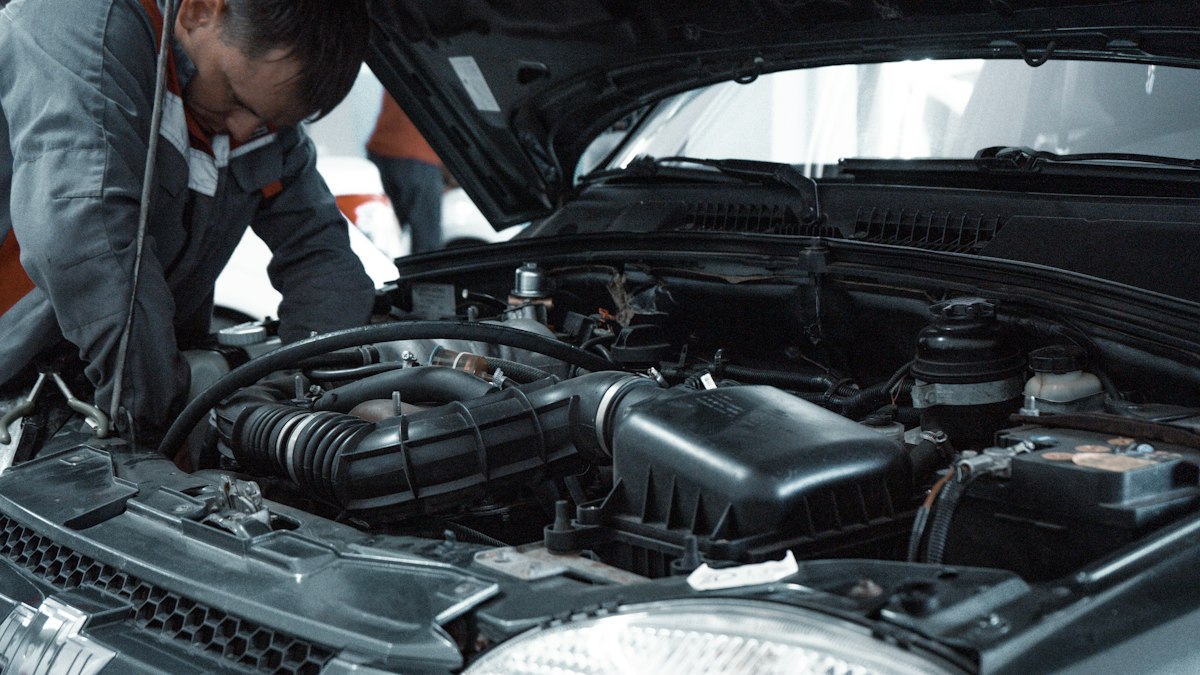
One of the most common questions we get from customers preparing for their first tune is: "Should I do anything to the car first?" The honest answer is: it depends on what stage you're planning to run, what condition the car is currently in, and what your performance goals are. Here's a practical guide based on two decades of ECU tuning at our Smithfield workshop in Western Sydney.
First Priority: Make Sure The Car Is Mechanically Healthy
Before any ECU calibration — diesel or petrol, Stage 1 or Stage 2 — the single most important thing you can do is ensure your vehicle is in good mechanical condition. This isn't about performance modifications. It's about foundation. A tune built on a car with underlying issues will underperform at best, and mask a developing problem at worst.
Key things to check and address before booking your tune:
- Fresh engine oil: Correct viscosity, no contamination, clean filter. This is critical for both petrol and diesel. Contaminated oil or the wrong viscosity affects turbo lubrication and bearing clearances under the higher loads that come with more power.
- No boost leaks: Pressurised intercooler pipes, couplings, and hoses can develop micro-leaks that are invisible at idle but significant under boost. A smoke test will reveal any leaks that would compromise both tuning results and reliability.
- Clean, unrestricted air filter: A clogged air filter reduces airflow and creates inaccurate mass airflow sensor readings. Replace it if it's due or if you're in doubt. A K&N or quality aftermarket filter is an optional upgrade here.
- Spark plugs (petrol vehicles): Worn plugs can cause misfires under the higher cylinder pressures that come with a power tune. If your plugs are approaching their service interval, replace them before the tune — not after. Iridium or platinum plugs are preferred on tuned applications.
- No existing fault codes: We run a full diagnostic scan before every tune at ATRA, but it's worth doing your own scan beforehand if possible. Resolve any known issues first — a tune on a car with pre-existing sensor faults will produce inconsistent results.
- Coolant system health: Check for any signs of coolant weeping, a failing thermostat, or coolant contamination. The cooling system works harder on a tuned engine — it needs to be in good shape.
- Healthy intercooler: An ageing intercooler with internal contamination from oil blow-by or an external core that's significantly damaged can limit the effectiveness of a tune. Not a deal-breaker, but worth knowing about.
At ATRA, we run a full pre-tune diagnostic on every vehicle and we'll tell you honestly if we find something that needs addressing before we touch the ECU. We've turned away tunes for the day and asked customers to address mechanical issues first — because the alternative is a suboptimal result that reflects poorly on everyone.
Performance Modifications That Work Well Before A Tune
Cold Air Intake / High-Flow Intake
A quality cold air intake or panel filter replacement reduces intake air temperatures and improves airflow volume to the turbo. If installed before tuning, we calibrate the mass airflow and boost compensation tables around the new airflow characteristics — which typically yields slightly better results than if the same intake were added after the calibration was written for stock hardware.
The gains from an intake alone are modest — but combined with a tune that's written around the new airflow characteristics, the overall result is stronger than the sum of the parts.
Performance Exhaust (Downpipe or Cat-Back)
An aftermarket downpipe and/or cat-back exhaust reduces exhaust backpressure and improves turbo spool speed. On turbocharged vehicles, exhaust backpressure is one of the main limitations on how hard the turbo can spool. If you're planning an exhaust upgrade, do it before — not after — the ECU calibration. A tune written for factory exhaust will leave gains on the table once you add the exhaust.
High-flow sports cats are a popular middle ground for those who want the performance benefits without removing emissions equipment entirely.
Intercooler Upgrade (Stage 2 Preparation)
If you're heading towards a Stage 2 build, having the intercooler fitted before the calibration is essential — the tune is written around the improved heat rejection capacity and exploits the additional boost headroom the intercooler creates. An intercooler upgrade without a corresponding recalibration to take advantage of it leaves significant performance untapped.
Common Stage 2 intercooler upgrades for Western Sydney ute owners include bar-and-plate units for Hilux and Ranger platforms — these dramatically reduce charge air temperatures under sustained load, such as towing on highways.
Fuel System Health (High-Power Applications)
For Stage 2 and above builds chasing significant power targets, assess your fuel system before tuning. Stock injectors on some platforms have limited headroom at high boost. For most Stage 1 applications this isn't a concern, but if you're planning a high-output Stage 2 or Stage 3 build, we'll advise on fuelling requirements during the consultation.
Modifications Better Done After Tuning
Suspension and Brakes
Suspension, shock absorbers, springs, and brake upgrades have zero effect on ECU calibration. Do them whenever they fit your budget and schedule — there's no benefit or downside to the tuning relationship.
Cosmetic Modifications
Body kits, tow bars, roof racks, bullbars — none of these affect your tune. A bullbar does add weight which affects performance and economy slightly, but not in a way that warrants a recalibration.
Adding Hardware After A Stage 1 Tune
If you add a significant hardware modification after a Stage 1 tune — particularly an intercooler or exhaust — you should consider a recalibration to properly account for the change. Minor modifications (a panel filter, a minor intake improvement) don't usually warrant a full recalibration. Larger changes do. Contact us and describe what you've added — we'll advise honestly.
Specific Advice For Diesel 4x4 And Ute Owners
The most important preparation for a diesel ute tune — whether you're running a Hilux, Ranger, Amarok, Navara, or D-Max — is a fresh service and a healthy engine. Here's a practical checklist:
- Oil change with correct-spec oil (check your owner's manual for viscosity)
- Fresh diesel filter
- Air filter inspection and replacement if needed
- Check intercooler pipes and couplings for boost leaks
- Clear any existing DPF warning lights or fault codes
- Note any drivability issues to discuss with us on the day
Beyond that, a Stage 1 diesel tune works excellently with completely stock hardware. You don't need to spend money on modifications before a Stage 1 — the gains from the calibration alone are significant on these platforms. If you want to go further after seeing the Stage 1 result, we'll tell you exactly what hardware makes the most sense for Stage 2.
Specific Advice For Euro Performance Car Owners
For BMW, Mercedes-Benz, Audi, and VW owners targeting Stage 1:
- Fresh engine oil with the manufacturer's specified grade — these engines are sensitive to oil quality
- Healthy spark plugs (petrol) — inspect and replace if approaching service interval
- No boost leaks from charge pipes (common on older platforms)
- No active fault codes relating to fuel system, boost, or sensors
For Stage 2 on Euro platforms, we'll advise on specific hardware requirements based on your platform and power goals. The recommendations differ significantly between a BMW B58, a Mercedes M177, and a VW EA888 — each has different hardware constraints and upgrade paths.
Questions about preparing your specific vehicle for a tune? Call ATRA Performance on 0426 808 081 or send a WhatsApp — we're happy to discuss what's relevant for your car before you commit to anything. No pressure, no upsell. Just honest advice from people who've been doing this in Western Sydney since 2003.
Frequently Asked Questions
Should I tune before or after buying hardware mods?
For Stage 1 (software only), you can tune with a stock vehicle. For Stage 2, hardware should be installed first — the calibration is then written around your specific combination of parts.
Does a cold air intake make a difference before tuning?
A quality cold air intake can improve airflow and reduce charge temperatures. If installed before tuning, we factor it into the calibration. It can support slightly higher gains than a stock intake.
Do I need to do anything to my diesel before tuning?
Keep it serviced and in good mechanical condition. Fresh engine oil, a healthy air filter, no boost leaks, and no fault codes are the most important things.
Can you tune my car if it has existing fault codes?
We can — but we recommend addressing underlying issues before the calibration. Some fault codes indicate conditions that would affect tuning results or safety. We'll advise after scanning the vehicle.